Choose Panama City Beach top Pool Cleaning Service for Reliable Pool Care
Choose Panama City Beach top Pool Cleaning Service for Reliable Pool Care
Blog Article
Professional Pool Cleaning Service for Crystal Clear Waters
A reliable pool cleaning service is crucial in maintaining clear and clean waters. With professional expertise and advanced equipment, these services effectively manage chemical balances and prevent potential health hazards. Routine upkeep not only improves a pool's visual attractiveness but also protects its longevity. Understanding the key benefits and considerations of hiring such a service can result in informed decisions for pool owners. What factors should be taken into account when selecting the right service?
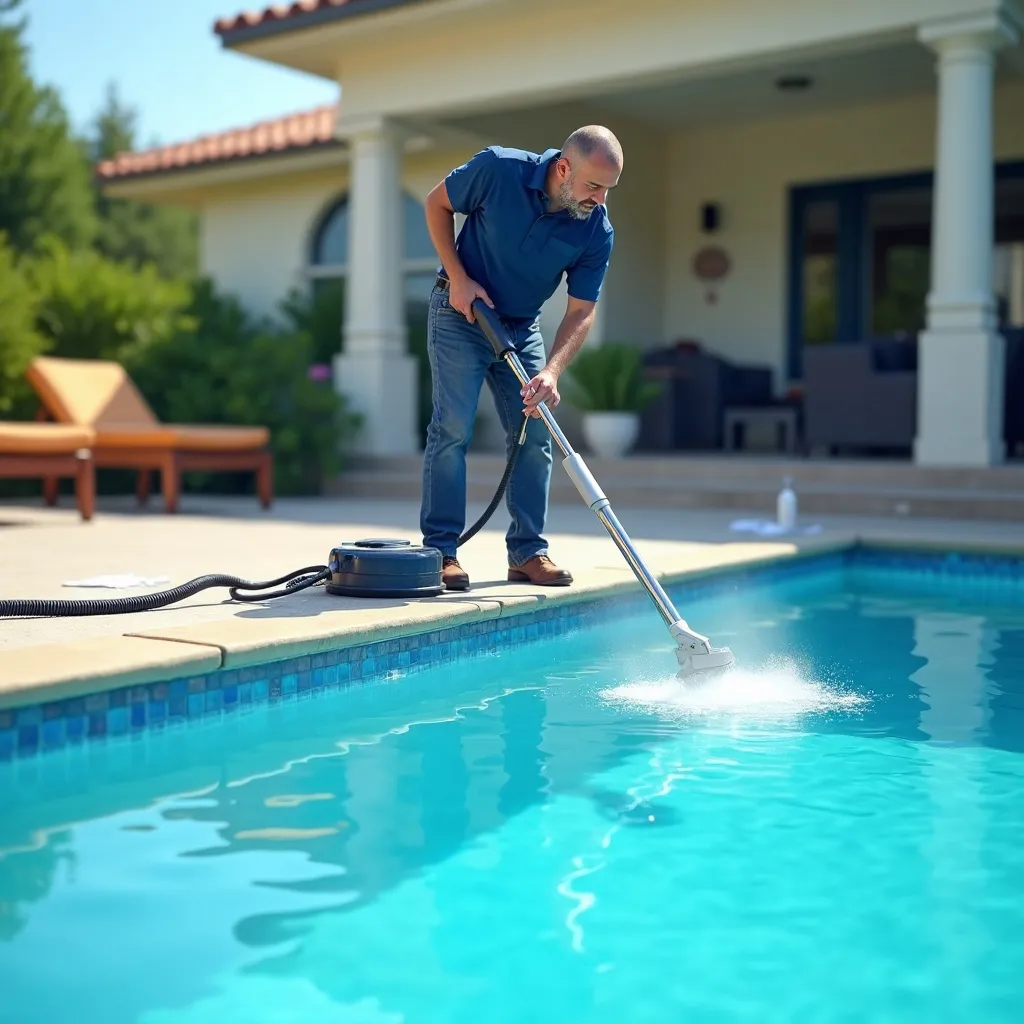
Why Pick a Trustworthy Pool Maintenance Service?
Why should homeowners think about a trustworthy pool maintenance provider? The upkeep of a pool demands regular attention to guarantee water quality and safety. Homeowners often don't have the time or expertise to manage this successfully. A reliable pool cleaning service provides expert knowledge and tools, assuring that the pool remains clean and inviting. By delegating the task to professionals, homeowners can prevent potential health hazards associated with unclean water, such as algae growth and harmful bacteria.
Additionally, these services can help extend the life of the pool's infrastructure by addressing issues like debris accumulation and chemical balance. Homeowners can also benefit from routine inspections, identifying problems before they worsen into costly repairs. Ultimately, engaging a dependable pool cleaning service allows homeowners to enjoy their pool without the stress of maintenance, providing peace of mind and enhancing their overall swimming experience.
Key Benefits of Hiring a Pool Cleaning Service
While many dwellers may underestimate the importance of pool upkeep, contracting a qualified pool maintenance service offers abundant benefits that strengthen both the state of the pool and the owner's satisfaction. One prominent merit is the expertise these professionals supply, ensuring that all operations of pool care—from balancing of chemicals to maintaining equipment—are handled correctly. This expertise helps in preventing substantial repairs down the line.
Additionally, a systematic cleaning schedule diminishes the weight on homeowners, enabling them to enjoy their pool without the stress review article of upkeep. Professionals also leverage cutting-edge tools and excellent cleaning solutions that can attain superior results compared to DIY methods.
Moreover, employing a service saves time, permitting homeowners to focus on leisure rather than labor. Ultimately, the investment in a pool cleaning service leads to a more welcoming, sanitary swimming environment, strengthening both the aesthetic appeal and functionality of the pool.
Essential Factors for Picking a Pool Maintenance Service
Determining the ideal pool cleaning service requires meticulous attention to a number of vital considerations. Essentially, a reputable service should display proper qualifications, including authorizations and safeguards, confirming compliance with local regulations and providing protection against potential liabilities. Then, client testimonies and feedback represent key benchmarks of consistency and superiority, allowing prospective clients to measure the service's reputation.
Additionally, the variety of offerings provided is crucial; a complete cleaning service should feature scheduled maintenance, chemical equilibrium, and equipment inspections. Clear pricing is another essential factor, as transparent and forthright quotations prevent surprise charges. Furthermore, a focus on utilizing eco-conscious materials can improve the service's value, reflecting the ideals of green-minded clients. Ultimately, the offering of flexible appointment times confirms that the offering can address customers' individual requirements, boosting customer contentment and convenience.
Comparing Swimming pool Maintenance Methods: Advantages and Disadvantages
When examining pool cleaning methods, it is important to grasp the strengths and weaknesses of each approach. Manual cleaning enables thorough attention to detail but can be labor-intensive and time-consuming. Automatic cleaners deliver convenience and efficiency, though they may not reach every corner of the pool.
Chemical treatments are effective in sanitizing, but careless application can lead to imbalanced water chemistry. In alternatively, nature-based cleaning solutions, like using enzymes, are eco-friendly but may require more frequent applications to retain clearness.
Robotic cleaning systems continue to gain popularity, achieving a middle ground of automated cleaning and results although they can involve a higher upfront cost. At the final analysis, your cleaning choice will depend on budget constraints, time at your disposal, and individual tastes. Comprehending the advantages and disadvantages supports swimming pool owners in making well-informed choices so the water stays pristine and refreshing.
How Often Should You Get Your Pool Maintained?
Ascertaining how regularly a pool requires cleaning relies on several factors that can substantially influence upkeep needs. Seasonal changes, the frequency of pool utilization, and overall pool quality are fundamental considerations in formulating a effective cleaning regimen. Comprehending these elements can enable pool proprietors to sustain a safe and enjoyable swimming environment.
Periodic Maintenance Tips
Routine pool cleaning is vital for preserving a secure and appealing aquatic setting. Seasonal care suggestions propose that pool owners should book maintenance sessions based on the specific requirements of their pool and local conditions. In spring, a thorough cleaning is necessary to remove waste over winter. During the summer period, regular cleanings are commonly suggested to manage heavy utilization and algae formation. As autumn nears, more frequent cleanings may be needed to handle leaves and other organic substances. In winter, if the pool is not being used, bi-weekly upkeep can help prevent issues like freezing and algae accumulation. Following these seasonal guidelines guarantees excellent pool wellness, safety, and pleasure throughout the year.
Pool Utilization Rate Impact
How often should pool owners consider cleaning their pool? The frequency of pool upkeep is primarily determined by how often it's used. For pools that see daily use, especially in hot seasons, a weekly cleaning schedule is recommended to preserve ideal hygiene and appearance. Conversely, pools that are utilized sparingly may only require maintenance every two weeks. Weather-related considerations also play a role; for instance, in the fall, leaves and debris may require more regular attention. Additionally, the presence of bathers brings in contaminants, which can speed up the need for cleaning. Understanding these dynamics helps pool managers establish a tailored cleaning routine that ensures a clean, appealing pool setting without unnecessary maintenance costs.
Grade of Water Reflections
The cleanliness of pool water is an important factor in creating a safe and pleasant swimming environment. Regular maintenance is vital to maintain ideal water quality, typically suggested once a week for residential pools. However, the frequency may vary based on multiple factors, including pool usage, weather conditions, and surrounding vegetation. Heavy usage or debris-filled environments may require more frequent cleaning. Additionally, regular checking of water chemistry—such as pH and chlorine levels—is crucial to ensure sanitary conditions. Neglecting these aspects can lead to algae growth, cloudy water, and possible health risks. Consequently, investing in a reliable cleaning service not only improves the pool's appearance but also safeguards the health of its users.
What Can Go Wrong Without Consistent Upkeep?
Overlooking pool upkeep can cause numerous challenges that damage both the safety and pleasure of the swimming venue. Without regular cleaning, debris collects, spawning a hotbed for pathogens and algae, which might generate medical risks to swimmers. Additionally, inadequate chemical balance could trigger dermatological irritation, vision discomfort, or even serious medical problems.
As time passes, the pool's filtration system can become congested, lowering its performance and leading to turbid water. Additionally, overlooking periodic examinations can cause foundational harm, including splits in the pool surface and deterioration of metal components. This decline not only impacts aesthetics but can also result in costly repairs. In summary, failing to maintain a pool compromises its operation and safety, ultimately diminishing the satisfaction of swimming and boosting long-term expenses for the owner. Regular maintenance is essential for protecting a clean, safe, and enjoyable pool area.
Usual Pool Cleaning Missteps to Avoid
Ongoing upkeep is essential for avoiding a array of complications, but even diligent pool owners can commit blunders during the cleaning process. One common mistake is failing to monitor chemical levels before cleaning. Poor chemical balance can trigger algae growth or cloudy water, hampering the cleaning effort. Additionally, using inappropriate tools can compromise surfaces; for instance, metal brushes can damage vinyl liners.
Another frequent mistake is neglecting the skimmer and pump baskets. Failing to empty these can limit water flow and reduce cleaning efficiency. Some owners also overlook routine filter upkeep, resulting in decreased performance and increased energy costs.
Ultimately, cleaning too rarely can produce a collection of sediment and impurities. By avoiding these common pitfalls, pool owners can confirm their care schedules are successful, maintaining their pools crystal clear and attractive for all.
Popular Questions That Are Asked Regularly
What signs show that my pool cleaner is appropriately qualified?
To ascertain if a pool cleaner is properly certified, one should review their qualifications with appropriate professional bodies, verify licensing requirements, and ask about their training and proficiency in pool upkeep and safety standards.
Which Substances Are Pool Cleaning Services Commonly Employing?
Pool cleaning professionals typically utilize chlorine, pH stabilizers, algaecides, and clarifying agents. These compounds maintain water clarity, prevent algae development, and ensure safe swimming conditions, contributing to effective pool care and overall cleanliness.
Is it Feasible for a Pool Cleaning Service to Perform Repairs Too?
Numerous pool cleaning companies deliver repair capabilities, addressing concerns such as leaks, equipment malfunctions, or surface deterioration. Their skill allows for both care and restoration, ensuring pools remain functional and safe for users.
How Precisely Do Weather Conditions Shape Your Pool Cleaning Timetable?
Weather substantially affects pool service routines. Rain, wind, and extreme temperatures can hinder scheduling, requiring schedule adjustments. Additionally, storms may deposit debris, demanding more frequent cleanings to sustain pool cleanliness and visibility.
What actions should I take in advance of the Pool Cleaning Service appears?
As the pool service team nears, the homeowner should dispose of any pool toys, furniture, and debris from the area. Additionally, assessing the water level and allowing access to equipment can support a smoother cleaning process.
Report this page